Does Teeth Whitening Damage Teeth?
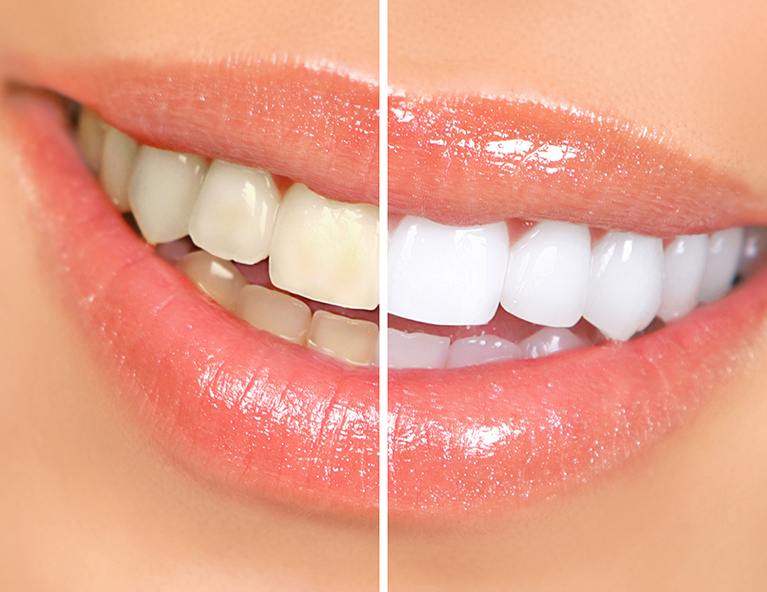
A whiter and brighter *smile* is one of the most requested procedures in aesthetic dentistry. However, many people considering teeth whitening have the same question in mind:
“Does teeth whitening damage teeth?”
Having accurate information about the right products, appropriate techniques, and professional whitening procedures performed under the supervision of a dentist is crucial for making treatment decisions.
How Does Teeth Whitening Work?
In professional teeth whitening procedures, special whitening agents are used to help reduce discolorations on the tooth surface and within the enamel.
These applications can help achieve a lighter shade of tooth color in cases such as;
- Discolorations caused by tea and coffee
- Stains related to smoking
- Age-related color changes
- Some external discolorations
However, since the cause of each discoloration is different, the effect of the whitening procedure may vary from person to person.
Is Professional Teeth Whitening Safe?
It is important to evaluate oral and dental health before the teeth whitening procedure.
Especially in cases of;
- Cavities
- Gum problems
- Enamel wear
- Cracked or broken teeth
- Severe sensitivity
necessary treatments may need to be planned before whitening.
Therefore, it is essential for the dentist to conduct a detailed evaluation before directly applying the whitening procedure.
Does Teeth Whitening Abrade Tooth Enamel?
One of the most common concerns is whether the whitening procedure thins the tooth enamel.
In professionally planned applications, the aim is not to mechanically abrade the tooth surface. The whitening procedure works through the effect of the agents on the color molecules.
However, uncontrolled, excessively frequent, or inappropriate products can pose risks to oral and dental health.
For this reason, the unconscious use of products with uncertain content and concentration, especially those purchased online, is not recommended.
Will There Be Sensitivity After Teeth Whitening?
Some individuals may experience temporary tooth sensitivity after whitening.
This sensitivity is usually felt as;
- Sensitivity to cold beverages
- Sensitivity to hot foods
- Short-term tooth ache
The level of sensitivity may vary from person to person. Your dentist can help manage this situation by determining the appropriate method and frequency of application based on your existing dental structure.
Can Everyone Get Teeth Whitening?
Teeth whitening may not be suitable for everyone.
Especially during pregnancy or breastfeeding, in individuals with active oral and dental problems, or in patients experiencing severe tooth sensitivity, it is important to consult a dentist before the procedure.
It should also be noted that restorations such as crowns, veneers, or fillings do not whiten like natural teeth.
Therefore, individuals with aesthetic restorations on their front teeth should plan their treatment in consultation with their dentist.
What is the Difference Between At-Home and Clinical Whitening?
Teeth whitening can be performed using different methods.
Clinical Whitening
This is the procedure performed in a clinical setting under the supervision of a dentist. Before the procedure, the teeth and gums are evaluated, and appropriate protective measures are taken.
At-Home Whitening
This can be done using personalized trays and suitable whitening products as recommended by the dentist.
The suitability of both methods should be evaluated based on the individual’s dental structure and aesthetic expectations.
What Should Be Considered After Whitening?
To maintain the color achieved after whitening, it may be beneficial to pay attention to certain habits.
Especially in the period following the procedure;
- Be cautious with tea and coffee consumption
- Limit foods and beverages that cause intense staining
- Avoid smoking
- Brush teeth regularly
- Do not skip professional dental check-ups
These practices can help preserve the results for a longer time.
Conclusion: A Healthy *Smile* with Proper Planning
The most important point regarding teeth whitening is that the procedure should not be applied the same way for everyone.
A personalized plan should be made by evaluating the current condition of the teeth, the cause of discoloration, and the individual’s sensitivity level.
Planning the teeth whitening procedure according to your dentist’s recommendations, rather than using uncontrolled products and unconscious applications, offers a safer approach for both aesthetics and oral health.
Remember; the most beautiful form of a healthy *smile* is not only white but also healthy.
Leave a comment
Share your questions and experiences. Comments are published after review by the dentist.