Why Is Bone Grafting Necessary?
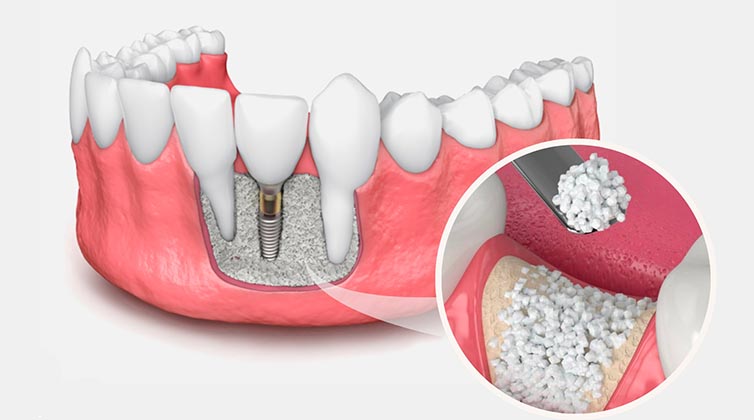
Implant treatment is one of the frequently preferred methods for completing missing teeth today. However, for the implant to be successful and long-lasting, the jawbone must have sufficient volume and density.
In some patients, bone resorption may occur over time after tooth loss. In this case, there may not be enough bone support in the area where the implant will be placed.
At this point, the bone graft application may come into play.
So, why is a bone graft needed and in which situations is it applied?
What is a Bone Graft?Bone grafting is a supportive treatment method used when there is insufficient bone volume for implant treatment in the jawbone.
The aim is to assist in reconstructing the area with missing or insufficient bone and to create a more suitable foundation for the implant.
Bone grafts can be applied using materials obtained from different sources. The choice of material and application method is determined based on the patient’s existing bone structure.
Why Does Bone Resorb After Tooth Loss?The roots of teeth help stimulate the jawbone. When a tooth is lost, the bone in that area may begin to lose its volume over time.
Especially when living with a missing tooth for a long time, bone loss can become more pronounced.
Factors that may contribute to bone loss include;
- Long-term untreated tooth deficiencies
- Gum diseases
- Traumas
- Infections
- Bone loss after extraction
- Natural structure of the jawbone
.In Which Situations Might a Bone Graft Be Necessary?Not every implant patient requires a bone graft.
However, based on detailed examination and imaging, bone support may be planned in the following situations.
1. Insufficient Bone HeightIf there is insufficient vertical bone height in the area where the implant will be placed, it may be difficult to position the implant safely.
In this case, procedures aimed at increasing the volume of the bone may be considered.
2. Insufficient Bone WidthIn some patients, the jawbone may not have sufficient width for the implant.
Bone graft applications can help increase the bone volume in the area.
3. Teeth Lost a Long Time AgoWhen a significant amount of time has passed since tooth loss, bone resorption may occur in the relevant area.
Therefore, when planning implants for teeth that have been missing for many years, additional bone procedures may be necessary.
4. Bone Loss Due to Gum DiseasesAdvanced gum diseases can affect not only the gums but also the bone tissue supporting the teeth.
In such cases, the existing bone structure should be thoroughly evaluated before implant treatment.
5. Bone Loss After Trauma or InfectionLosses in the jawbone can occur due to accidents, impacts, or serious infections.
In these cases, bone graft applications may be considered to reconstruct the area.
Is Bone Grafting Always Done Before Implants?No. The same treatment plan is not applied to every patient.
In some suitable cases, bone grafting and implant application can be performed in the same session. In other cases, the healing of the bone tissue is awaited first, and the implant is applied at a later stage.
The treatment plan is determined based on;
- The amount of bone loss
- The area to be treated
- The patient’s overall oral health
- The planned implant treatment
.Healing Process After Bone GraftingAfter the bone graft application, a certain period may be required for the material used to integrate with the surrounding tissues and for the healing process to complete.
The healing time can vary from person to person. The scope of the application, the method used, and the patient’s biological healing process can affect this duration.
Therefore, when planning the total duration of implant treatment, whether a bone graft is needed should also be taken into account.
Is Bone Grafting a Painful Procedure?Bone grafting procedures are generally performed under appropriate anesthesia. Therefore, pain is not expected during the procedure.
After the procedure, depending on the scope of the application, sensitivity or swelling may occur.
Regularly following the medications and care instructions recommended by the physician can help make the healing process more comfortable.
Conclusion: A Strong Foundation for a Solid ImplantIn implant treatment, not only the quality of the implant but also the condition of the jawbone where the implant will be placed is of great importance.
Bone grafting is an important treatment option aimed at creating a more suitable bone foundation for the implant when necessary.
However, a bone graft is not required for every patient. The need is determined based on detailed clinical examination and radiological imaging.
A successful implant treatment depends on a strong and healthy bone foundation as much as the correct choice of implant.
Therefore, it is important for the jawbone to be thoroughly evaluated by a specialist dentist before planning implant treatment.
Leave a comment
Share your questions and experiences. Comments are published after review by the dentist.